
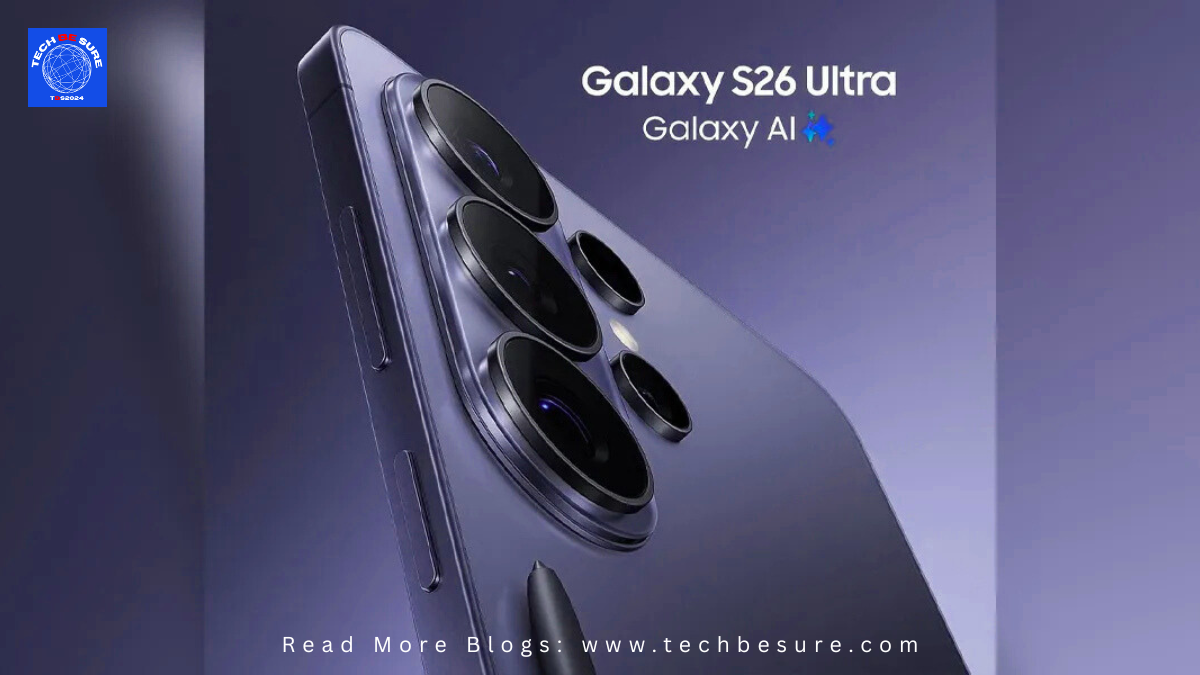
Samsung’s next flagship smartphone, the Galaxy S26 Ultra, is once again making headlines—but not entirely for the right reasons. Fresh leaks suggest that while the Samsung Galaxy S26 series could see a price hike overall, the Ultra model may receive an unexpected price adjustment. However, the bigger disappointment comes from what Samsung may be skipping this year: a larger battery and native Qi2 magnetic charging support.
For users hoping would finally match rivals like Honor and Xiaomi in adopting next-gen battery technology, the latest information may feel underwhelming.
Samsung Galaxy S26 Ultra Battery Leak: No Upgrade This Year
According to recent leaks, Samsung is expected to stick with a 5,000 mAh battery on the Galaxy S26 Ultra. This means there’s no capacity increase over the previous generation, despite growing competition in the premium smartphone space.
In 2025, several Android brands adopted silicon-carbon battery technology, allowing phones to last multiple days on a single charge. Expectations were high that Samsung would follow the same path for its 2026 flagship. Unfortunately, current leaks suggest that won’t be happening—at least not this year.
While charging speeds are expected to improve slightly, the unchanged battery size feels like a missed opportunity for a phone positioned at the very top of Samsung’s lineup.
Galaxy S26 Series Likely Skipping Native Qi2 Magnets
Another major letdown revolves around Qi2 magnetic wireless charging. Earlier reports hinted that the Galaxy S26 series would finally include built-in Qi2 magnets, bringing Samsung closer to the seamless magnetic accessory ecosystem users have been asking for.
However, newer leaks paint a different picture.
Samsung’s upcoming first-party cases for the Galaxy S26 lineup reportedly include both magnetic and non-magnetic versions. The presence of non-magnetic official cases strongly suggests that the phones themselves do not contain native Qi2 magnets.
In phones that truly support Qi2, magnets are usually built into both the device and its cases to maintain strong attachment for accessories like wallets, mounts, and chargers. Offering non-magnetic cases would undermine that entire experience—making native Qi2 support highly unlikely.
Confusing Accessories, Confusing Strategy
What makes the situation more puzzling is that Samsung is still expected to launch magnetic Qi2 accessories, including a magnetic wireless charger and a power bank designed specifically for the Galaxy S26 series.
This raises an awkward scenario: buyers may need to purchase a separate magnetic case just to use Samsung’s own accessories properly. For a flagship device, this fragmented experience could frustrate customers and dilute the premium appeal.
All signs point to Samsung having initially planned Qi2 support, only to later abandon it during final design changes.
Design & Display: Premium Look Still Intact
Despite the disappointment around battery and charging features, the Galaxy S26 Ultra is still shaping up to be a visual powerhouse.
Leaks suggest:
- 6.9-inch Dynamic AMOLED display
- QHD+ resolution
- 1–120Hz adaptive refresh rate
The redesigned camera module reportedly takes inspiration from Samsung’s foldable lineup, giving the Ultra a refreshed, more modern rear look. The device is also expected to debut in a bold new Cobalt Violet color, which could become its signature shade.
Expected Performance and Camera Specifications
On the performance side, the Galaxy S26 Ultra is rumored to feature:
- Snapdragon 8 Elite Gen 5 chipset
- Up to 60W wired fast charging
- S Pen support, with a slightly revised design
Camera expectations remain high, with leaks pointing to:
- 200MP main camera
- 50MP ultra-wide camera
- 50MP periscope telephoto with 5x optical zoom
- 10MP telephoto with 3x optical zoom
On paper, this setup still places the Galaxy S26 Ultra among the strongest camera phones expected this year.
Samsung Galaxy S26 Ultra Launch Timeline
The Galaxy S26 series is expected to launch within the next few weeks, keeping Samsung on its traditional flagship release schedule. While performance and camera upgrades remain solid, the lack of innovation in battery technology and magnetic charging could make this generation feel more incremental than revolutionary.
Final Thoughts
The Samsung Galaxy S26 Ultra looks set to deliver flagship-level performance and a refined design, but growing leaks suggest it may fall short in areas where competitors are pushing boundaries. For users who value long battery life and modern magnetic charging ecosystems, this could be a year of tempered expectations.
As launch day approaches, all eyes will be on whether Samsung surprises users—or confirms the concerns raised by these leaks.